This site is for public transportation enthusiasts who are interested in various types of public transportation agencies in the Delaware Valley region.
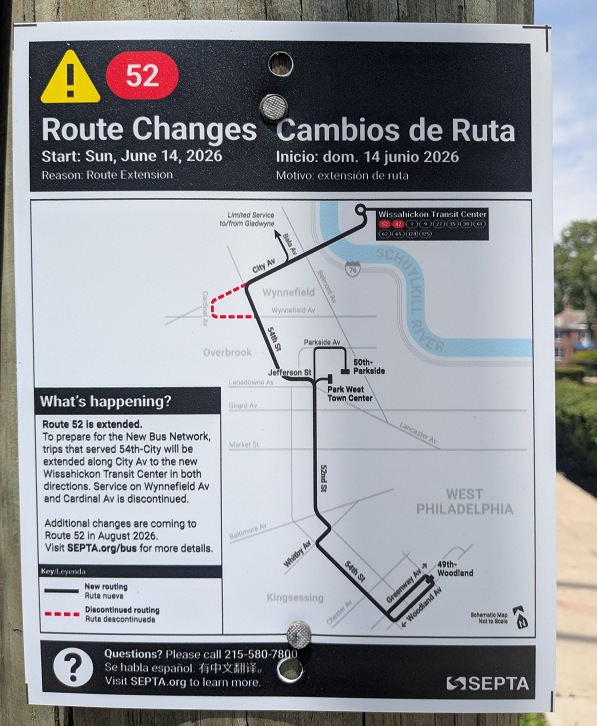
In an unexpected move, starting on June 14th which is the next schedule change, the route 52 will be extended via City Avenue to terminate at Wissahickon Transportation Center. These changes are not apart of the upcoming new bus network.
After over 25 years in limbo, the northbound end of the route 52 has finally found a new home. Over the years, residents along the Overbrook and Wynnefield communities has been complaining about the routing of the bus. The complaints ranged from increase noise and traffic levels to buses allegedly causing water main breaks.
The reaction on social media has been generally positive with some concerns regarding delays along City Avenue and where also where is is SEPTA robbing service from.
For now, the route 52 will continue to serve Gladwyne on limited trips until later on in the year when the first phase of the new bus network goes into effect. Again amidst confusion this is a separate change from the better bus network.
Tomorrow, SEPTA is kicking off a series of public hearings to discuss updates to its Annual Service Plan and the implementation of the “New Bus Network” (part of the Bus Revolution initiative) across Bucks, Chester, Delaware, Montgomery, and Philadelphia counties for Fiscal Year 2027.
The hearings are set to occur at 12PM and 6PM at 1234 Market Street.
Proposed Bus Network Changes (Phased Implementation)The changes will be rolled out in three phases during Fiscal Year 2027
Fall 2026: Introduction of new routes (72 and 76), frequency and routing alignments on various lines, reduced service on five routes, and the elimination of routes 35, 47M, 62, 78, 80, 89, and 106.
Spring 2027: Launch of new “SEPTA Go” service in Chester County, a new Route 142, various routing changes, and the elimination of routes 1, 30, 92, 150, 201, 204, and 206.
Summer 2027: Launch of new “SEPTA Go” service in Montgomery County, routing and frequency adjustments, and the elimination of routes 90 and 139.
It has been mentioned that these are the first series of changes. More changes are proposed for FY 2028 (July 2027- June 2028). Implementation proposals of these changes hasn’t been released just yet.
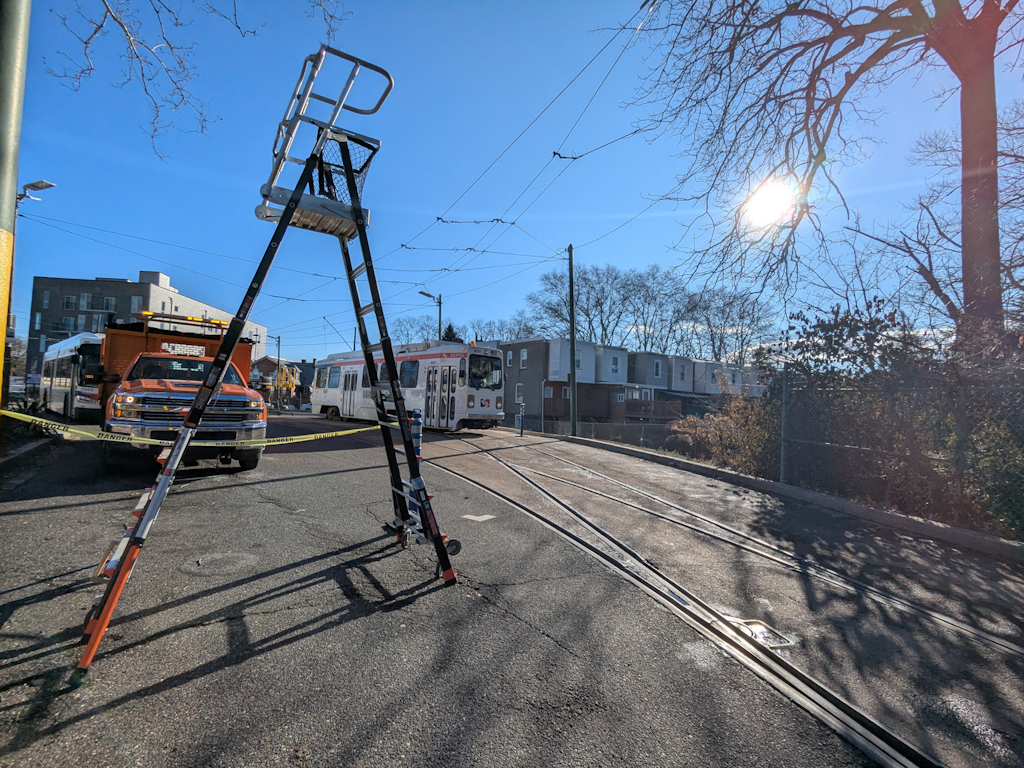
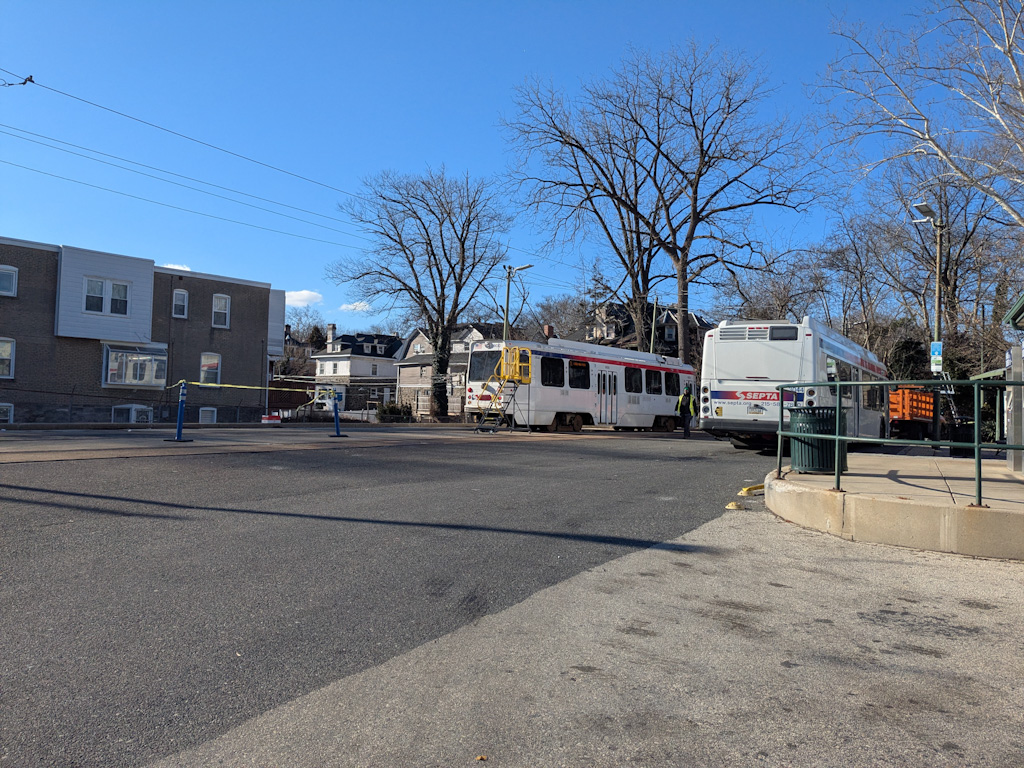
Finally after two months, SEPTA trolleys has resumed operations in the tunnel. Upon their return, SEPTA maintenance crews has been stationed at 63rd and Malvern Loop and 40th street portal to inspect the trolley sliders.
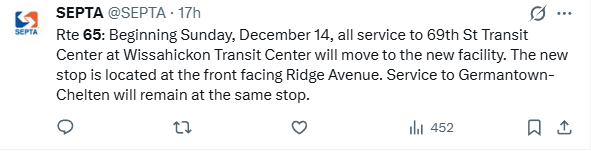
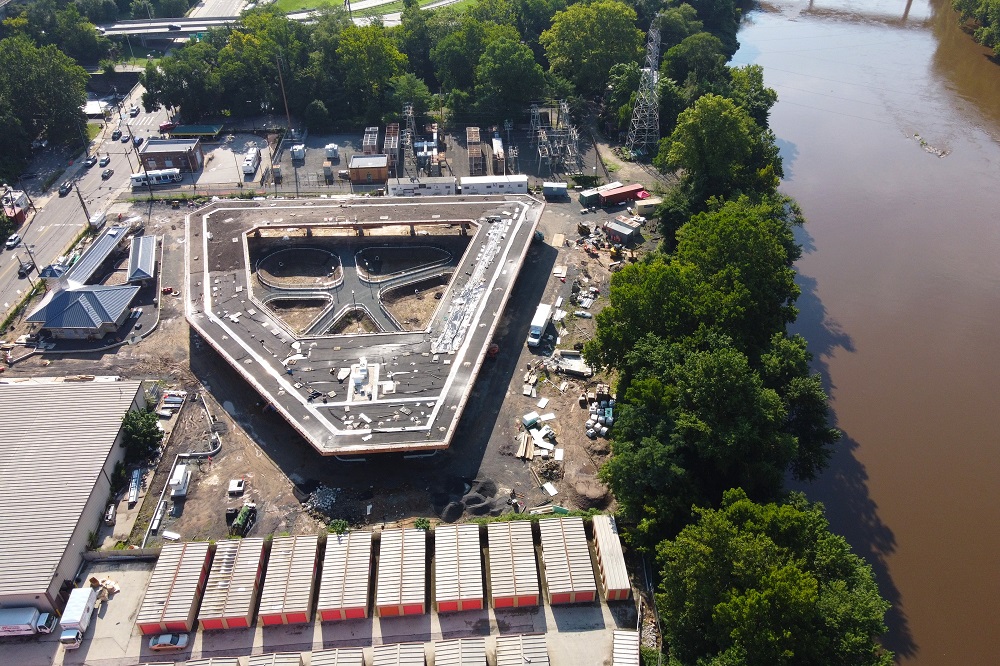
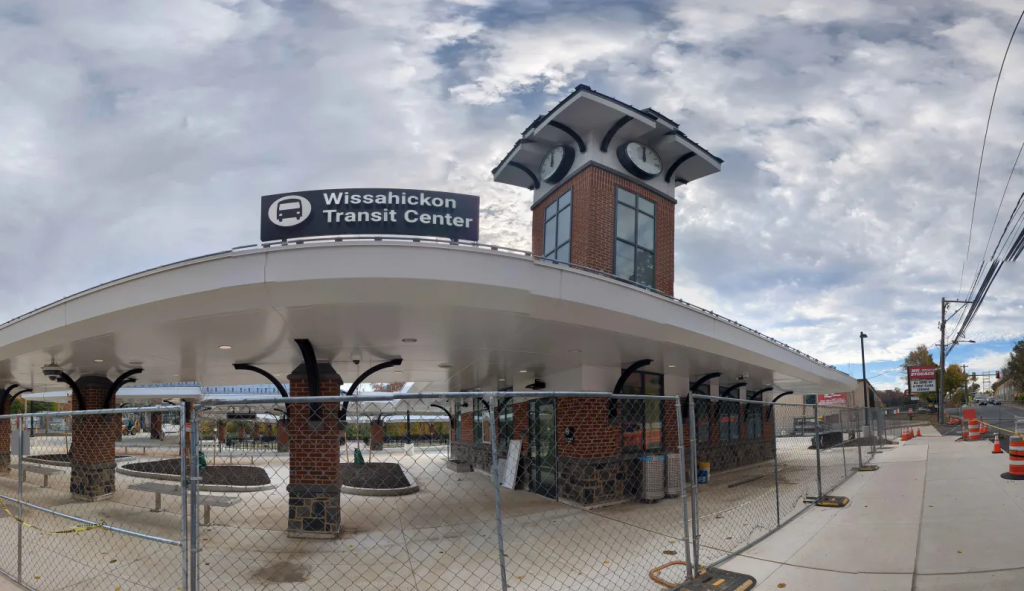
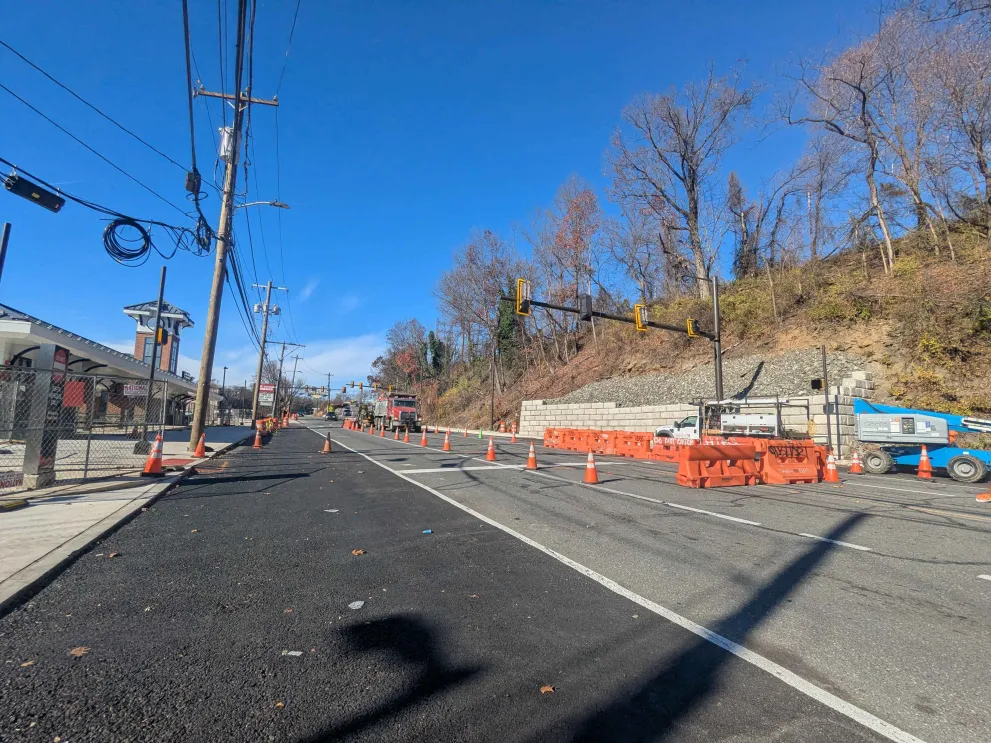
Today, the Wissahickon transportation Center has finally been open to the public. The exact opening date was not known until late last night, when SEPTA published on X around 8PM that it is finally happening.
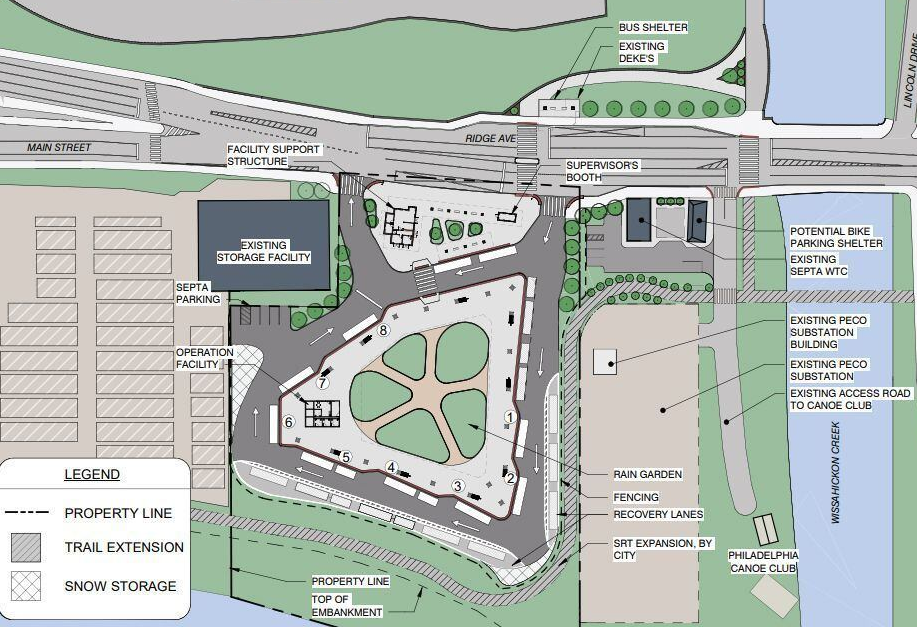
Right now, the Wissahickon Transit Center is slightly under-utilized with only two buses generally terminating there (38 and 82). However during the upcoming Better Bus Network, more routes will be terminating this location. The new infrastructure was explicitly designed to support an increased volume of services.
Construction begun in May 2023 and it was projected to cost around $50 million altogether.
Tomorrow, SEPTA is expected to receive ten leased rail coach cars from Maryland Area Regional Commuter Rail (MARC)
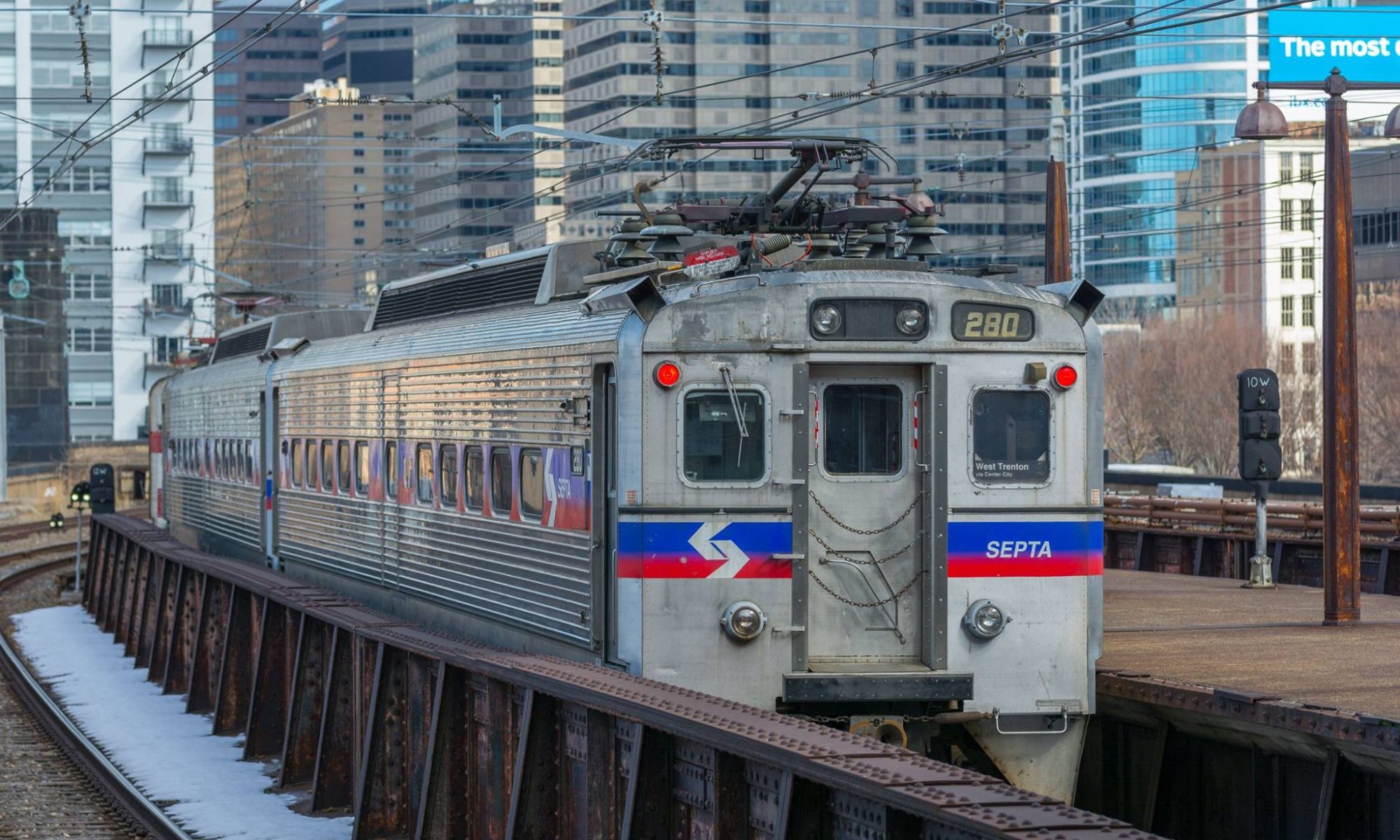
As a result of the ongoing Silverliner IV fiasco, SEPTA signed the one-year agreement with MARC. The cost is $26 million (2.6 million per car). The cars would need to first be inspected and test and it is expected to be about two-three weeks before these are placed into revenue service.
This will be the third time when SEPTA has leased cars from MARC. The First time was in 2016 during the Silverliner V crasis, where the Vs were sidelined from service due to fatigue cracks in the trucks in the trunks. The second time was in 2019, when SEPTA leased a set to be used on the Trenton line to help relived the overcrowding given to the construction on I-95.
The Federal Transit Administration (FTA) recently announced a significant investment in public transportation, awarding $2 billion in grants to 165 transit projects across 45 states and Washington, D.C. Among these awards, SEPTA received a $43 million Low- and No-Emission Grant to modernize its bus fleet.
The grant will enable SEPTA to replace its existing fleet of 2016 New Flyer Midi Buses (fleet numbers 4600-4634) – which are currently the only straight diesel transit buses in their lineup. The new hybrid buses will be slightly larger, measuring 32 feet in length compared to the current 30-foot models. SEPTA is scheduled to integrate these more environmentally friendly vehicles by 2028,
Currently the Midis operate on routes 312 (Cornwells Heights Shuttle), 316 (LUCY) and the 310.
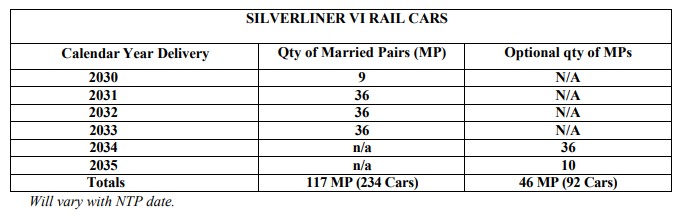
SEPTA has officially moved forward with the replacement of its railcar fleet, issuing a Request for Proposal (RFP) yesterday via Bidnet.
The proposal outlines an order for 234 cars, intended to replace the existing Silverliner IV fleet (now down to 225 cars from an original 232). The RFP also includes options for up to 92 additional cars, some specifically for an “Airport” configuration.
Performance & Design Shift:
This RFP is a significant update from the Request for Information (RFI) SEPTA released a few years ago. The new cars are proposed to have better performance specs: an acceleration rate of 3 mph/s (matching the Silverliner Vs) and a top speed of 100 mph (up from the 80mph proposal).
Design-wise, unlike the IVs and Vs, the new cars will strictly be in married pairs and are proposed to utilize Full Cabs.
The Critical Need:
The urgency for this replacement cannot be overstated. The aging Silverliner IV fleet has suffered from increasing unreliability and a rise in fire incidents throughout the year.
Following these issues, the FRA mandated new safety guidelines in September. The deadline for inspecting all 225 cars was initially October 31st, but it has recently been extended to November 14th.
The Timeline:
Delivery of the new cars is currently proposed to begin in 2030, contingent on SEPTA successfully securing the required funding.
From the SEPTA REQUEST FOR PROPOSAL FOR THE PURCHASE
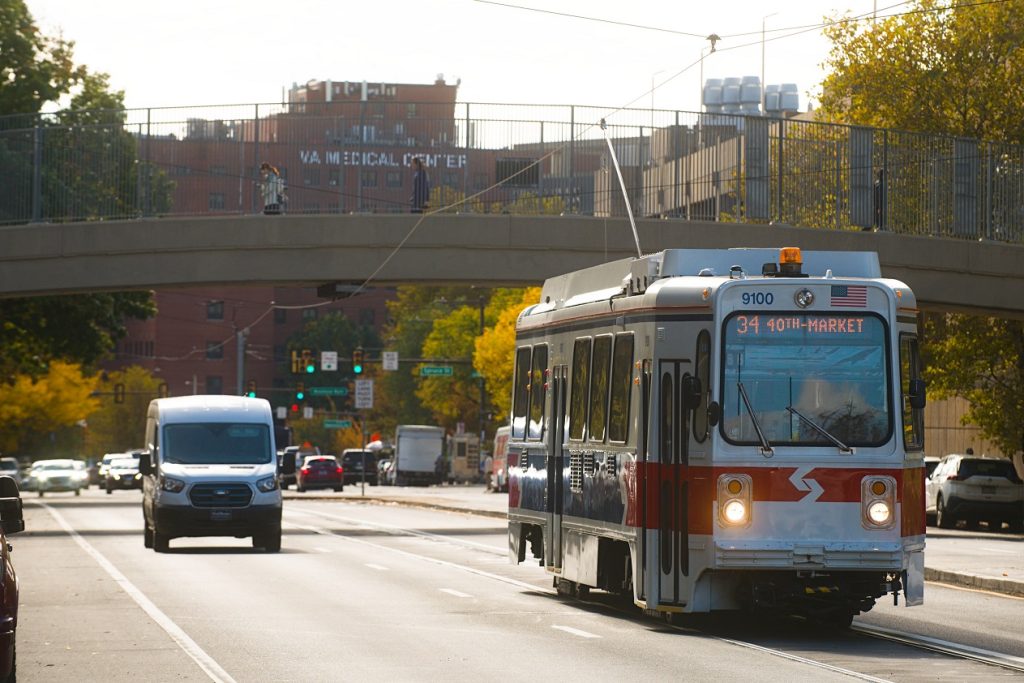
SEPTA trolley #9100 has finally returned to service after being out since February 2021. It was sidelined following a serious collision with a car in West Philadelphia that injured one person. Since then, it’s been at Woodland undergoing repairs and a full overhaul, including a fresh paint job in SEPTA’s retro livery of its original delivery style.
This afternoon, the National Transportation Safety Board has issued a stern warning to SEPTA. These warnings were the direct result of five fires which occured on the Silverliner IVs this year alone. Back in August, SEPTA withdrawn many of the Silverliner IVs from service due to mechincal issues. Things seemed to be progressing however due to a more recent fire in Fort Washington and Philadelphia, the NTSB has issued a urgent recommendation.
“The NTSB concluded that the outdated design of the Silverliner IV railcars, in combination with SEPTA’s maintenance and operating practices, represents an immediate and unacceptable safety risk because of the incidence and severity of electrical fires that can spread to occupied compartments. Additionally, the NTSB found that the risks posed by the design cannot be fully addressed without an extensive fleet retrofit or replacement.”
The NTSB recommends that SEPTA Suspends operation of the Silverliner IV fleet until the cause of the fires are determined and remedy.
The NTSB also recommends that SEPTA establish an expedited procurement or retrofit schedule. To put this into context, SEPTA has recently faced significant fiscal challenges. The agency reported a $213 million operating budget deficit, which led to service cuts on August 24, 2025, followed by fare increases on September 1. In late August, a lawsuit was filed against SEPTA, and the outcome permitted the agency to raise fares but not cut service. Service was restored a couple of weeks ago.
To cover the shortfall, it was recommended that SEPTA draw from the PTTF fund. What is the PTTF? It is the Pennsylvania Public Transportation Trust Fund, which is intended for capital projects such as new equipment procurement. With that fund being tapped and no additional state legislative approval for more funding, SEPTA’s options are now very limited.
SEPTA’s response is
“Following a fire in February 2025, SEPTA worked with FRA and NTSB to develop a comprehensive set of 40 mitigation measures. SEPTA has made progress on a range of initiatives from additional notifications and safety checks to audible alarms for fault lights. Rail Operations has also adjusted vehicle usage to reduce hours of service on these aging cars. Due to these efforts, SEPTA is confident that by working hand-in-hand with FRA and NTSB, we can safely continue service with the Silverliner IV fleet. “